
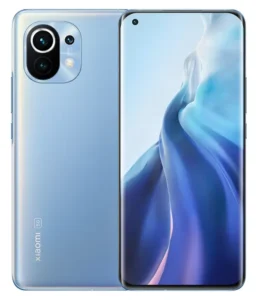
Why Buy the Xiaomi Mi 11?
The Xiaomi Mi 11 arrived as one of 2021’s most compelling flagship smartphones, packing Qualcomm’s top-tier Snapdragon 888 processor into a beautifully crafted body. This phone doesn’t just meet expectations—it pushes boundaries with a stunning 6.81-inch AMOLED display that reaches 1500 nits of peak brightness, making outdoor visibility exceptional. The 120Hz refresh rate delivers buttery-smooth scrolling and gaming experiences that rival phones costing significantly more.
Photography enthusiasts will appreciate the 108MP main camera sensor with optical image stabilization. The large 1/1.33″ sensor size captures impressive detail in various lighting conditions. Pairing this with 8K video recording capability gives content creators professional-grade tools right in their pocket. The ultra-wide 123° field of view on the secondary camera opens up creative possibilities for landscape and architectural shots.
Charging anxiety becomes a thing of the past with 55W wired charging that reaches 100% in just 45 minutes. The 50W wireless charging option completes a full charge in 53 minutes—faster than many phones charge with cables. Reverse wireless charging adds practical value for keeping earbuds or smartwatches topped up throughout the day.
The display protection deserves special mention. Gorilla Glass Victus on the front represents Corning’s toughest shield against drops and scratches at the time of release. Dual stereo speakers with Snapdragon Sound and Hi-Res audio support deliver an immersive multimedia experience. Whether streaming movies or gaming, the audio quality matches the visual prowess.
Key Considerations Before Buying the Xiaomi Mi 11
Storage expansion isn’t possible since the Mi 11 lacks a microSD card slot. Buyers need to choose their storage configuration carefully at purchase—either 128GB or 256GB options with varying RAM combinations. Heavy media users or mobile gamers should lean toward the 256GB variant to avoid running out of space.
The absence of a 3.5mm headphone jack continues Xiaomi’s trend toward wireless audio. Anyone still using wired headphones will need a USB-C adapter or consider switching to Bluetooth options. The phone does support high-quality audio codecs like aptX HD and aptX Adaptive, making wireless listening worthwhile.
At 196 grams for the glass version, the Mi 11 carries noticeable heft. The large 6.81-inch display contributes to this weight, though the leather-back variant shaves off 2 grams. One-handed use can be challenging given the 164.3mm height and substantial width. Those with smaller hands might find reaching the top corners requires some adjustment.
Battery capacity sits at 4600mAh—adequate but not exceptional compared to competitors pushing 5000mAh or higher. Real-world usage depends heavily on individual habits, but the efficient Snapdragon 888 and fast charging help offset the moderate capacity. Power users might need a midday top-up during intensive gaming or video recording sessions.
The phone launched with Android 11 and received updates through Android 14 with HyperOS. Software support has since concluded as the device reached discontinued status. Security updates and future OS upgrades won’t arrive, which matters for buyers prioritizing long-term software longevity.
Who Should Consider the Xiaomi Mi 11?
Mobile photographers seeking flagship camera hardware without ultra-premium pricing will find excellent value here. The 108MP sensor captures stunning detail that stands up against competitors. OIS ensures sharper shots in low light, while the 8K video recording capability provides serious content creation potential. The ultrawide camera adds versatility for varied shooting scenarios.
Gaming enthusiasts benefit from the powerful Snapdragon 888 chipset paired with the Adreno 660 GPU. The 120Hz AMOLED display delivers smooth frame rates, while the 1440p resolution ensures crisp graphics. Configurations offering 12GB of RAM provide ample headroom for demanding titles. The dual stereo speakers enhance the gaming atmosphere without requiring external accessories.
Tech-savvy users who value fast charging technology will appreciate both wired and wireless options. The 55W wired charging eliminates the typical wait time associated with battery replenishment. Wireless charging at 50W surpasses many wired solutions on competing devices. The convenience factor for busy professionals can’t be overstated.
Media consumers looking for an exceptional viewing experience get a premium HDR10+ display with 1 billion color support. The 6.81-inch screen size makes streaming content genuinely enjoyable. Peak brightness of 1500 nits ensures visibility even in direct sunlight. The high screen-to-body ratio of 91.4% maximizes display real estate for immersive entertainment.
Budget-conscious buyers shopping the used or refurbished market can score flagship specs at accessible prices. The Mi 11’s discontinued status means attractive deals on secondary markets. Performance remains solid for everyday tasks despite being a few years old. Anyone willing to forgo the latest software updates can enjoy premium hardware without breaking the bank.
Alternatives to the Xiaomi Mi 11
The Samsung Galaxy S21 presents a direct competitor with similar flagship credentials. Samsung’s ecosystem integration appeals to users already invested in Galaxy devices. Camera performance takes a different approach with a 64MP telephoto offering 3x hybrid zoom. Software support extends longer with Samsung’s commitment to four years of updates. The 4000mAh battery is smaller, though Samsung’s optimization delivers comparable endurance.
OnePlus 9 emerges as another Snapdragon 888-powered alternative with Hasselblad camera collaboration. The partnership brings color science improvements and a more natural photography experience. Faster 65W wired charging edges out Xiaomi’s solution by about 15 minutes. The 120Hz Fluid AMOLED display matches the Mi 11’s smoothness. OxygenOS offers a cleaner, more stock Android experience for purists.
iPhone 12 Pro appeals to those considering a switch to iOS or already in Apple’s ecosystem. The A14 Bionic chip delivers exceptional performance with superior efficiency. Camera computational photography produces consistently excellent results through software optimization. The smaller 6.1-inch display suits users preferring more compact devices. MagSafe charging at 15W lags behind Xiaomi’s speeds but integrates seamlessly with accessories.
Google Pixel 5 targets photography enthusiasts valuing computational processing over raw megapixels. The 12.2MP sensor punches above its weight through Google’s image processing algorithms. Clean Android with guaranteed updates for three years provides peace of mind. The mid-range Snapdragon 765G trades raw power for better battery efficiency. The more modest specs reflect in a lower price point.
Xiaomi Mi 11 Frequently Asked Questions
Does the Xiaomi Mi 11 support 5G connectivity?
Yes, the Xiaomi Mi 11 features comprehensive 5G support alongside GSM, CDMA, HSPA, EVDO, and LTE networks. The Snapdragon 888 5G chipset includes an integrated 5G modem that supports both sub-6GHz and mmWave bands where available. Users can take advantage of faster download speeds, lower latency, and improved network capacity in areas with 5G coverage. The phone automatically switches between network types based on availability and signal strength.
What operating system does the Xiaomi Mi 11 currently run?
The Xiaomi Mi 11 launched with Android 11 and received upgrades through Android 14 with HyperOS. As a discontinued device, it no longer receives major operating system updates or regular security patches. The final software version provides a stable user experience with HyperOS features including enhanced customization options, improved performance optimizations, and Xiaomi’s ecosystem integration. Users should be aware that newer apps may eventually drop support for older Android versions.
How long does the battery last on the Xiaomi Mi 11?
The 4600mAh battery provides full-day usage for most typical users engaging in standard activities like browsing, social media, messaging, and moderate video streaming. Heavy users running demanding applications, playing graphics-intensive games, or recording extended 4K/8K video may need to recharge before day’s end. The efficient Snapdragon 888 processor and AMOLED display’s adaptive refresh rate help conserve power. When battery runs low, the 55W fast charging reaches full capacity in approximately 45 minutes, while 50W wireless charging completes in 53 minutes.
Is the Xiaomi Mi 11 waterproof or water-resistant?
The Xiaomi Mi 11 does not carry an official IP rating for water or dust resistance. Users should avoid exposing the device to water, moisture, or dusty environments as it lacks sealed protection against ingress. The glass and aluminum construction provides premium aesthetics but not environmental sealing. Accidental splashes or brief rain exposure might not cause immediate damage, but the phone should not be intentionally submerged or used in wet conditions. Those requiring water resistance should consider alternatives with IP67 or IP68 ratings.
Can the storage on the Xiaomi Mi 11 be expanded?
No, the Xiaomi Mi 11 does not include a microSD card slot for storage expansion. Buyers must choose between the available configurations: 128GB with 6GB or 8GB RAM, or 256GB with 8GB or 12GB RAM. The UFS 3.1 storage standard provides fast read and write speeds for optimal app performance and quick file transfers. Cloud storage services can supplement internal storage for photos, videos, and documents. Users who anticipate needing significant storage for offline content should opt for the 256GB variant at purchase.