
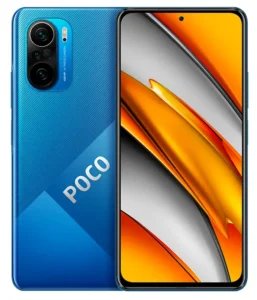
Xiaomi POCO F3 Overview, Features, and Buying Guide
The Xiaomi POCO F3 arrived in March 2021 as a performance-focused smartphone that prioritizes speed and display quality. Built around the Snapdragon 870 chipset and a silky-smooth 120Hz AMOLED screen, this device targets users who want flagship-level responsiveness without the premium price tag. The glass-and-plastic construction keeps costs down while maintaining a modern aesthetic, and IP53-rated protection adds a layer of durability against everyday splashes.
Xiaomi equipped the POCO F3 with a triple-camera system led by a 48MP primary sensor, paired with ultrawide and macro shooters for versatility. The 4520mAh battery supports 33W fast charging, delivering a full charge in under an hour. Stereo speakers and Hi-Res audio certification round out the multimedia experience, making this phone equally suited for gaming sessions and video streaming.
What Makes the Xiaomi POCO F3 Worth Buying?
The standout feature here is the combination of the Snapdragon 870 processor and that gorgeous 120Hz AMOLED panel. Scrolling through apps feels fluid, and the display hits 1300 nits at peak brightness—making outdoor visibility exceptional even under direct sunlight. HDR10+ support means streaming content from Netflix or YouTube looks vibrant with rich contrast and accurate colors.
Performance enthusiasts will appreciate the 5G connectivity and UFS 3.1 storage, which translates to faster app launches and smoother multitasking. The side-mounted fingerprint sensor responds instantly, and the dual-SIM capability lets you manage work and personal lines without carrying two devices. At its launch price point, the POCO F3 delivered specs typically found in phones costing significantly more, positioning it as a compelling value proposition for budget-conscious buyers who refuse to compromise on speed.
Gaming is where this phone truly shines. The Adreno 650 GPU handles demanding titles like Genshin Impact and Call of Duty Mobile with ease, while the high refresh rate display keeps animations buttery smooth. The inclusion of a color spectrum sensor in the camera array helps with more accurate white balance in photos, though real-world improvements are subtle.
Things to Know Before Choosing the Xiaomi POCO F3
There’s no expandable storage, so choosing between the 128GB or 256GB model matters if you download lots of games or shoot extensive video. The plastic frame feels less premium than full-metal designs, though it does help keep the weight at a manageable 196 grams. IP53 certification protects against light rain and splashes, but this isn’t a phone you’d want to submerge or use poolside.
Battery life is solid but not exceptional. Heavy users might need a midday top-up, though the 33W charging partially offsets this limitation. The lack of a headphone jack pushes you toward wireless earbuds or USB-C adapters, which some users find inconvenient. Software support has been decent—the phone launched with Android 11 and received updates through Android 13 with HyperOS, though future major updates beyond that are unlikely.
The camera system handles well-lit scenes competently, but low-light photography reveals the limitations of the 48MP sensor compared to newer competitors. The macro camera at 5MP produces usable close-ups but won’t replace a dedicated camera for serious work. Video recording tops out at 4K 30fps, missing higher frame rates that newer phones offer for smoother footage.
Is the Xiaomi POCO F3 Right for You?
Mobile gamers will find this phone particularly appealing thanks to the powerful chipset and smooth display. The combination eliminates lag during intense gaming sessions, and the stereo speakers create an immersive audio environment without needing headphones. Students and young professionals looking for reliable performance without breaking the bank should consider this device, especially if they prioritize screen quality for content consumption.
Budget-conscious buyers who want flagship features at a midrange price will appreciate what the POCO F3 offers. It handles everyday tasks—browsing, social media, video calls—without breaking a sweat. The 5G connectivity future-proofs the device for faster network speeds as coverage expands in more areas.
However, photography enthusiasts might want to look elsewhere. While the camera takes decent photos in good lighting, it doesn’t compete with dedicated camera phones in challenging conditions. The same applies to users who need expandable storage or waterproofing beyond basic splash resistance. Content creators shooting lots of video might miss optical image stabilization on the main camera, which can lead to shakier footage when filming handheld.
Best Alternatives to the Xiaomi POCO F3
The Samsung Galaxy A52s 5G offers a more refined software experience with longer update support, though it uses a slightly less powerful chipset. Photography-focused buyers might prefer the Google Pixel 4a 5G for superior camera processing and computational photography, despite having a lower refresh rate display. For those willing to stretch their budget, the OnePlus 9R delivers similar performance with faster charging and a more premium build quality.
Realme GT Master Edition provides comparable specs at a similar price point, with faster charging speeds but a less vibrant display. The Motorola Edge 20 Pro offers cleaner Android software and better camera hardware, though availability varies by region and it typically costs more.
Xiaomi POCO F3 Frequently Asked Questions
Does the POCO F3 support wireless charging?
No, the POCO F3 only supports wired charging at 33W. There’s no wireless charging capability built into this model. The included charger delivers a full charge in approximately 52 minutes, which partially compensates for the lack of wireless convenience.
Can the POCO F3 take good night photos?
The camera performs adequately in low light but doesn’t match dedicated night photography phones. The 48MP sensor captures usable shots with some noise in darker conditions, though you’ll get better results in well-lit environments or with additional light sources.
How long will the POCO F3 receive software updates?
The phone launched with Android 11 and has been updated to Android 13 with HyperOS. Xiaomi typically provides 2-3 years of updates for POCO devices, so major Android version updates beyond 13 are unlikely, though security patches may continue for some time.
Is the POCO F3 waterproof?
The phone carries an IP53 rating, which protects against light water sprays and dust. This isn’t full waterproofing—it handles splashes and light rain but shouldn’t be submerged in water or exposed to heavy water pressure.
Does the phone have a headphone jack?
No, the POCO F3 removed the 3.5mm headphone jack. You’ll need to use USB-C headphones, a USB-C to 3.5mm adapter, or wireless Bluetooth earbuds for audio listening.