
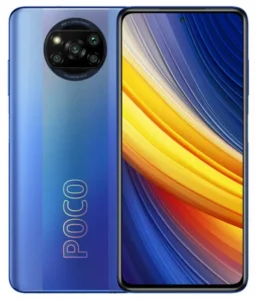
Xiaomi POCO X3 Pro Overview, Features, and Buying Guide
The Xiaomi POCO X3 Pro delivers flagship-level performance at a mid-range price point, making it a compelling choice for budget-conscious users who refuse to compromise on speed. Launched in March 2021, this device packs the powerful Snapdragon 860 processor typically found in premium phones, paired with a smooth 120Hz display that transforms everyday scrolling and gaming into a fluid experience. The phone’s balanced approach combines robust hardware, a versatile camera system, and long-lasting battery life in a design that feels substantial without being overwhelming.
Built with Gorilla Glass 6 protection on the front and IP53 water resistance, the POCO X3 Pro shows thoughtful attention to durability. The 6.67-inch screen delivers HDR10 content with impressive brightness levels, while stereo speakers and a 3.5mm headphone jack cater to multimedia enthusiasts. With storage options ranging from 128GB to 256GB and expandable memory support, this phone provides flexibility that many competitors in this price bracket overlook.
What Makes the Xiaomi POCO X3 Pro Worth Buying?
The standout feature here is the Snapdragon 860 chipset—a processor that punches well above the phone’s price class. This octa-core powerhouse handles demanding games, multitasking, and heavy apps without breaking a sweat. The Adreno 640 GPU ensures smooth graphics rendering, making mobile gaming genuinely enjoyable rather than a compromise.
That 120Hz refresh rate transforms the user experience in ways that go beyond gaming. Scrolling through social media, browsing websites, and navigating menus all feel noticeably smoother compared to standard 60Hz displays. The screen’s 450-nit brightness ensures decent outdoor visibility, while HDR10 support brings compatible content to life with enhanced contrast and color depth.
Battery performance deserves special mention. The 5160mAh capacity easily powers through a full day of heavy use, and the 33W fast charging brings the phone from empty to 59% in just 30 minutes. You won’t find yourself tethered to a charger or anxiously monitoring battery percentages throughout the day.
The camera setup offers versatility that beginners and casual photographers will appreciate. The 48MP main sensor captures detailed shots in good lighting, while the ultrawide lens opens up creative possibilities for landscapes and group photos. Video recording reaches 4K at 30fps, and the impressive slow-motion capabilities (up to 960fps at 1080p) let you capture creative content without needing a dedicated action camera.
Things to Know Before Choosing the Xiaomi POCO X3 Pro
The plastic back, while practical and less prone to shattering than glass, lacks the premium feel some users expect. It’s a functional choice that keeps costs down and weight reasonable, but it won’t turn heads the way a glass or metal body might.
Software updates present a consideration worth noting. The phone shipped with Android 11 and received an update to Android 12 with MIUI 13 for POCO. However, future major Android updates beyond version 12 aren’t guaranteed, which could matter if you plan to keep the device for several years.
At 215 grams, this phone has noticeable heft. Combined with the 9.4mm thickness, it’s definitely a two-handed device that might feel bulky if you’re coming from a lighter, more compact phone. Pocket space and one-handed use become genuine considerations.
The IP53 rating provides basic protection against light rain and splashes, but don’t expect to take underwater photos or survive a dunk in the pool. It’s more “caught in a drizzle” protection than “dropped in the toilet” insurance.
Camera performance in low light doesn’t match flagship standards. The 48MP main sensor struggles when lighting gets challenging, producing grainier images with less detail compared to phones with larger sensors or advanced computational photography. Night photography enthusiasts might find this limiting.
The shared SIM slot forces a choice between dual SIM functionality and expandable storage—you can’t have both simultaneously. If you rely on two SIM cards for work and personal use, you’ll need to sacrifice the microSD card option.
Is the Xiaomi POCO X3 Pro Right for You?
Mobile gamers will find exceptional value here. The Snapdragon 860 handles titles like PUBG Mobile, Genshin Impact, and Call of Duty Mobile with ease, while the 120Hz display delivers smooth visuals that genuinely enhance gameplay. The large battery means extended gaming sessions without constant charging breaks.
Students and budget-conscious users get flagship-grade performance without the flagship price tag. The combination of fast processing, ample RAM options (6GB or 8GB), and generous storage makes this phone handle everything from research and document editing to streaming and social media without slowdowns.
Media consumers benefit from the large, vibrant display and stereo speakers. Binge-watching shows, streaming music, and consuming content become more enjoyable experiences. The 3.5mm headphone jack remains a rare convenience in modern smartphones, giving you the freedom to use any wired headphones without adapters.
Photography enthusiasts on a budget can explore mobile photography basics with the versatile camera system, though serious low-light shooters or those requiring top-tier image quality should look at higher-end options. The ultrawide lens and decent video capabilities provide creative flexibility for casual content creators.
Casual users who want a reliable daily driver that handles messaging, calls, browsing, and social media will find the POCO X3 Pro more than capable, with enough power headroom to feel snappy for years.
This phone might disappoint users seeking premium materials, guaranteed long-term software support, cutting-edge camera technology, or compact, lightweight designs. If those factors matter more than raw performance value, exploring other options makes sense.
Best Alternatives to the Xiaomi POCO X3 Pro
Realme GT Master Edition offers similar performance with a more premium design and faster charging, though typically at a slightly higher price. The glass back and sleeker profile appeal to users who prioritize aesthetics alongside power.
Redmi Note 11 Pro trades some raw processing power for improved camera capabilities and a more refined AMOLED display. If photography and screen quality matter more than maximum gaming performance, this alternative deserves consideration.
Samsung Galaxy A52s 5G provides a more polished software experience with longer update support and 5G connectivity, making it a better long-term investment if you prioritize software longevity over raw specs at launch.
OnePlus Nord CE 2 balances performance, design, and features with a cleaner software approach. It won’t match the POCO X3 Pro’s raw power but offers a more premium feel and better camera performance in challenging lighting.
Xiaomi POCO X3 Pro Frequently Asked Questions
Does the POCO X3 Pro support 5G networks?
No, the POCO X3 Pro only supports 4G LTE networks along with 3G and 2G. The Snapdragon 860 chipset doesn’t include 5G modem capabilities. If future-proofing for 5G connectivity is important to you, consider newer models with 5G-compatible processors. However, 4G LTE networks remain widely available and perfectly adequate for streaming, gaming, and general internet use for the foreseeable future.
How long does the battery last with normal use?
The 5160mAh battery comfortably lasts a full day with moderate to heavy use, including social media, video streaming, gaming, and browsing. Light users can easily stretch this to a day and a half or even two days. The 33W fast charging significantly reduces downtime, bringing the battery from empty to 59% in just 30 minutes and fully charged in under an hour, so even if you drain the battery, you won’t be waiting long to get back to full power.
Can I expand the storage with a microSD card?
Yes, the POCO X3 Pro includes a microSDXC card slot, though it shares space with the second SIM card slot. This means you must choose between using two SIM cards simultaneously or adding expandable storage—you cannot use both at the same time. If dual SIM functionality is essential for separating work and personal numbers, you’ll need to rely on the internal storage options of either 128GB or 256GB.
Is the 120Hz display worth it for everyday use?
Absolutely. The 120Hz refresh rate makes a noticeable difference beyond just gaming. Scrolling through social media feeds, browsing websites, and navigating through apps all feel significantly smoother and more responsive compared to standard 60Hz displays. Once you experience the fluidity of high refresh rate screens, going back to 60Hz feels noticeably less smooth. The display also supports HDR10, enhancing compatible video content with better contrast and more vivid colors.
How good is the camera quality compared to flagship phones?
The 48MP main camera performs well in good lighting conditions, capturing detailed photos with accurate colors. The 8MP ultrawide lens adds versatility for landscapes and group shots. However, low-light performance doesn’t match flagship standards—images tend to show more noise and less detail when lighting becomes challenging. The camera system works perfectly for casual photography, social media content, and everyday moments, but dedicated photography enthusiasts seeking the best possible image quality, especially in difficult lighting, should consider phones with more advanced camera systems and larger sensors.