
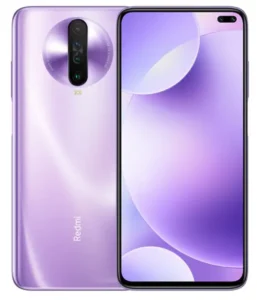
Xiaomi Redmi K30 Overview, Features, and Buying Guide
The Xiaomi Redmi K30 arrived in December 2019 as a mid-range powerhouse that pushed the boundaries of what budget-conscious buyers could expect. With its 120Hz display, quad-camera system led by a 64MP sensor, and Snapdragon 730G processor, this phone brought flagship-level features to a more accessible price point. While it’s now discontinued, the Redmi K30 remains a testament to Xiaomi’s strategy of delivering high specs without the premium price tag.
Built with Gorilla Glass 5 on both front and back panels, the device feels premium despite its affordable positioning. The 6.67-inch screen dominates the front, interrupted only by a dual punch-hole cutout for the selfie cameras. At 208 grams, it carries some heft, but the aluminum frame gives it a solid, reassuring feel in hand.
What Makes the Xiaomi Redmi K30 Worth Buying?
The standout feature here is undeniably the 120Hz IPS LCD display. Scrolling through apps, switching between screens, and gaming all feel incredibly smooth compared to standard 60Hz panels. This high refresh rate was typically reserved for flagship devices at the time, making its inclusion in a mid-range phone particularly impressive.
Photography enthusiasts get a versatile quad-camera setup. The 64MP main sensor captures detailed shots in good lighting, while the 8MP ultrawide lens expands creative possibilities. There’s also a 2MP macro lens for close-up shots, though its usefulness is limited. The front houses a dual-camera system with a 20MP primary sensor and a 2MP depth sensor for portrait effects.
Performance comes courtesy of the Snapdragon 730G, a gaming-focused chipset that handles everyday tasks with ease. Whether browsing social media, streaming video, or playing popular mobile games, the phone delivers consistent performance. Memory configurations range from 6GB to 8GB of RAM, paired with storage options from 64GB up to 256GB.
Battery life is respectable with the 4500mAh cell, typically lasting a full day with moderate use. The 27W fast charging gets you back to 100% in just over an hour, minimizing downtime. Dual-SIM functionality, NFC support, and a headphone jack round out the practical features that users appreciate daily.
Things to Know Before Choosing the Xiaomi Redmi K30
The dual punch-hole cutout for selfie cameras divides opinion. While it houses two sensors for better portrait photography, the design intrudes more into screen real estate than single-camera solutions. Some users find it distracting, especially when watching videos or gaming.
Display quality, while smooth at 120Hz, uses IPS LCD technology rather than AMOLED. This means blacks aren’t as deep and contrast isn’t as punchy compared to OLED panels. Outdoor visibility under bright sunlight can also be challenging at times.
Camera performance drops noticeably in low-light conditions. The 64MP sensor struggles with noise and detail retention when shooting after sunset or in dimly lit environments. Night mode helps somewhat, but results don’t match phones with dedicated night photography capabilities.
The phone launched with Android 10 and MIUI 11. Being a discontinued model, software support has ended, meaning no security patches or feature updates. This creates potential security vulnerabilities and limits access to newer Android features.
Storage expansion requires sacrificing one SIM slot since the microSD card uses the shared SIM tray. Users who need dual SIM functionality and expanded storage simultaneously will face a compromise.
Is the Xiaomi Redmi K30 Right for You?
Mobile Gamers: The Snapdragon 730G and 120Hz display create an enjoyable gaming experience. Popular titles run smoothly, and the high refresh rate gives a competitive edge in fast-paced games. The phone stays reasonably cool during extended sessions, though the most demanding games may require lowered graphics settings.
Budget-Conscious Buyers: As a discontinued model, the Redmi K30 now appears primarily in the used market. Its original value proposition was strong, offering premium features at mid-range prices. However, potential buyers should weigh the lack of software updates against any cost savings.
Photography Enthusiasts: The camera system works well in good lighting, delivering detailed shots suitable for social media. The ultrawide lens adds versatility for landscapes and group photos. However, serious photographers who shoot frequently in varied conditions will find the low-light performance limiting.
Students and Everyday Users: For basic tasks like messaging, web browsing, social media, and video streaming, the Redmi K30 handles everything smoothly. The large battery gets through a typical school or work day, and the headphone jack remains convenient for wired audio.
Content Consumers: The 6.67-inch screen with 120Hz refresh provides an excellent viewing experience. Scrolling through feeds feels fluid, and HDR10 support enhances compatible video content. The IPS LCD doesn’t offer AMOLED’s deep blacks, but brightness and color reproduction satisfy most users.
Best Alternatives to the Xiaomi Redmi K30
Realme X2 Pro: Offers a Snapdragon 855+ processor for better performance, 50W faster charging, and an AMOLED display. The camera system performs better in low light, though it costs more than the Redmi K30 did at launch.
Samsung Galaxy A71: Features an AMOLED display with vibrant colors and deep blacks. Samsung’s One UI provides a cleaner software experience with longer update support. The camera performs more consistently across different lighting conditions.
Poco X2: Essentially a rebranded Redmi K30 for the Indian market with nearly identical specifications. It offers the same 120Hz display and Snapdragon 730G performance at competitive pricing.
OnePlus Nord: Provides a Snapdragon 765G with 5G support, OxygenOS for a near-stock Android experience, and better software update commitment. The 90Hz AMOLED display balances smoothness with excellent visual quality.
Xiaomi Redmi K30 Frequently Asked Questions
Does the Xiaomi Redmi K30 support 5G connectivity?
The standard Xiaomi Redmi K30 does not support 5G networks. It operates on GSM, CDMA, HSPA, EVDO, and LTE networks. Xiaomi released a separate 5G variant of the Redmi K30 with different specifications and a Snapdragon 765G processor for users requiring 5G connectivity. The version covered here is the 4G LTE model with Snapdragon 730G.
Can the Xiaomi Redmi K30 record slow-motion videos?
Yes, the Redmi K30 includes slow-motion video recording capabilities. The rear camera system can record at 720p resolution at 960 frames per second, creating dramatic slow-motion effects. It also supports 1080p recording at 120fps for smoother slow-motion playback. The front camera is limited to standard 1080p recording at 30fps without slow-motion capabilities.
How long does the battery last on typical daily use?
The 4500mAh battery typically provides a full day of moderate usage, including social media browsing, messaging, web surfing, and some video streaming. Heavier users who game frequently or watch videos for extended periods may need to recharge before the day ends. The 27W fast charging reaches 100% in approximately 68 minutes, allowing quick top-ups when needed. Battery longevity depends on factors like screen brightness, refresh rate usage, and network connectivity.
Is the fingerprint sensor reliable on the Xiaomi Redmi K30?
The Redmi K30 features a side-mounted fingerprint sensor integrated into the power button. This placement offers quick and convenient unlocking while holding the phone naturally. Most users find the sensor responsive and accurate, with fast unlock speeds. The side-mounted location works well for both right and left-handed users, though it may take a brief adjustment period for those accustomed to rear or under-display sensors.
Does the phone receive software updates?
The Xiaomi Redmi K30 launched with Android 10 and MIUI 11. As a discontinued device, it no longer receives official software updates, security patches, or new Android version upgrades from Xiaomi. This means the phone remains on its last supported software version without access to newer features or important security fixes. Potential buyers should consider this limitation when evaluating the device.