
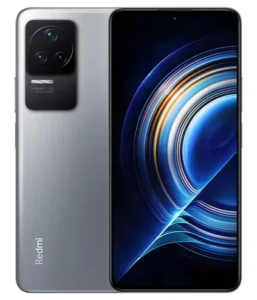
Xiaomi Redmi K50 Overview, Features, and Buying Guide
The Xiaomi Redmi K50 brings premium features to the mid-range segment with its sharp 1440p OLED display and powerful Dimensity 8100 processor. Launched in March 2022, this device combines high-refresh-rate visuals, versatile camera capabilities, and rapid charging technology. The phone targets users seeking flagship-level performance without breaking the bank, offering configurations up to 512GB storage and 12GB RAM.
What Makes the Xiaomi Redmi K50 Worth Buying?
The standout feature here is undoubtedly the 6.67-inch OLED panel. With its 1440 x 3200 resolution and 120Hz refresh rate, the display delivers exceptional clarity and smoothness. Peak brightness reaches 1200 nits, ensuring visibility even under direct sunlight. Dolby Vision and HDR10+ support enhance streaming experiences, while Gorilla Glass Victus provides scratch resistance.
Performance-wise, the Mediatek Dimensity 8100 chipset holds its own against competitors. Built on a 5nm process, the octa-core CPU combines four high-performance Cortex-A78 cores clocked at 2.85 GHz with four efficiency cores at 2.0 GHz. The Mali-G610 GPU handles graphics-intensive tasks smoothly, making this phone capable for gaming sessions and multitasking. UFS 3.1 storage ensures fast app loading and file transfers.
Battery life impresses with the 5500 mAh cell. The 67W wired charging reaches 80% capacity in just 30 minutes, minimizing downtime. This combination of large capacity and rapid charging means less anxiety about running out of power during busy days.
The camera system features a 48 MP main sensor with optical image stabilization. The 1/2.0″ sensor size and phase detection autofocus contribute to detailed shots in various lighting conditions. An 8 MP ultrawide lens expands creative possibilities, while the 2 MP macro handles extreme close-ups. Video recording maxes out at 4K 30fps with gyro-EIS stabilization.
Build quality doesn’t cut corners. The glass front and back sandwich design feels premium, while IP53 rating provides basic protection against water sprays and dust. At 201 grams and 8.5mm thin, the phone strikes a balance between substantial feel and manageable portability.
Things to Know Before Choosing the Xiaomi Redmi K50
The absence of a microSD card slot limits expandability. Users must choose their storage tier wisely at purchase since there’s no option to add more later. The available configurations range from 128GB with 8GB RAM up to 512GB with 12GB RAM.
Wireless charging didn’t make the cut. Despite having 67W wired charging, those accustomed to the convenience of wireless charging pads will need to adapt. The phone also lacks a 3.5mm headphone jack, requiring either USB-C adapters or wireless audio solutions.
The 2 MP macro camera serves as more of a checkbox feature than a practical tool. Image quality from this sensor tends to disappoint compared to the main camera’s performance. The ultrawide camera at 8 MP also produces softer images than the primary lens.
Software updates depend on Xiaomi’s track record with MIUI. The phone ships with Android 12 and MIUI 13, but long-term update commitments vary. Users should research Xiaomi’s typical support timeline for their region.
Video recording limitations include a cap at 4K 30fps on the rear camera. Enthusiasts seeking 4K 60fps will need to look elsewhere. The front camera manages 1080p at both 30fps and 120fps, adequate for selfies and video calls but not groundbreaking.
The side-mounted fingerprint sensor placement may require adjustment for users accustomed to under-display or rear-mounted alternatives. However, this positioning generally offers faster unlocking than optical under-display sensors.
Is the Xiaomi Redmi K50 Right for You?
For Media Consumers: The high-resolution OLED display with Dolby Vision makes this phone excellent for streaming Netflix, YouTube, or similar platforms. The 120Hz refresh rate adds smoothness to scrolling and general navigation. Stereo speakers with Hi-Res audio support enhance the multimedia experience, though the lack of a headphone jack means audiophiles need quality wireless earbuds.
For Mobile Gamers: The Dimensity 8100 chipset delivers solid gaming performance. Popular titles run smoothly at high settings, and the Mali-G610 GPU handles demanding graphics. The 120Hz display provides responsive touch input, while the large battery keeps extended gaming sessions going. However, flagship chipsets from Qualcomm’s Snapdragon 8 series would offer higher peak performance.
For Photography Enthusiasts: The 48 MP main camera with OIS captures sharp, stable images. The sensor size allows decent low-light performance, and the various shooting modes through MIUI’s camera app provide creative control. The ultrawide lens expands compositional options. However, serious photographers might find the camera system lacking compared to dedicated photography phones with larger sensors or more advanced computational photography.
For Budget-Conscious Buyers: This phone delivers excellent value in its price segment. The combination of high-refresh OLED, capable processor, large battery, and fast charging typically appears in more expensive devices. Users willing to compromise on wireless charging and microSD expansion gain access to premium features at a more accessible price point.
For Heavy Users: The 5500 mAh battery paired with the efficient 5nm chipset provides all-day endurance. The 67W charging quickly tops up the battery during breaks. The generous RAM options ensure smooth multitasking between apps. UFS 3.1 storage keeps the system responsive even when filled with apps and media.
Best Alternatives to the Xiaomi Redmi K50
Realme GT Neo 3: Features similar Dimensity 8100 performance with even faster 150W charging on certain variants. The display drops to 1080p resolution but maintains 120Hz refresh rate. Consider this if charging speed matters more than display resolution.
OnePlus Nord 2T: Offers a cleaner software experience with OxygenOS while maintaining competitive specs. The Dimensity 1300 chipset performs comparably, and the phone includes 80W charging. The display resolution is lower at 1080p.
Poco F4: Shares similar positioning with Snapdragon 870 performance. The 120Hz AMOLED display runs at 1080p resolution. Charging speeds reach 67W, matching the Redmi K50. Consider this for a different software experience while staying within the Xiaomi ecosystem.
Samsung Galaxy A73 5G: Brings better software support promises and a more refined camera system with OIS on multiple lenses. The Snapdragon 778G trades some raw performance for efficiency. Samsung’s One UI offers a different Android experience with longer update commitments.
Xiaomi Redmi K50 Frequently Asked Questions
Does the Xiaomi Redmi K50 support 5G connectivity?
Yes, the Xiaomi Redmi K50 fully supports 5G networks alongside GSM, CDMA, HSPA, CDMA2000, and LTE. The Dimensity 8100 chipset includes an integrated 5G modem that handles both standalone and non-standalone 5G networks. Users can expect faster download and upload speeds where 5G infrastructure is available, improving streaming quality, reducing game latency, and speeding up large file transfers.
How long does the 67W fast charging take to fully charge the battery?
The 67W wired charging system charges the 5500 mAh battery to 80% in approximately 30 minutes according to manufacturer specifications. A complete charge from 0% to 100% typically takes around 40-45 minutes under optimal conditions. The charging speed slows down after 80% to protect battery longevity. The phone supports Power Delivery 3.0 and Quick Charge 3 standards, ensuring compatibility with various third-party chargers, though speeds may vary.
Can the camera system compete with flagship phones?
The 48 MP main camera with OIS delivers strong performance in its price range but doesn’t quite match flagship camera systems. The 1/2.0″ sensor size is respectable, and optical image stabilization helps with low-light shots and video stability. However, flagship phones typically offer larger sensors, better computational photography, and more versatile zoom capabilities. The Redmi K50 excels for everyday photography and social media sharing but might disappoint users expecting flagship-level night mode or zoom quality.
Is the phone’s IP53 rating sufficient for water protection?
The IP53 rating provides basic protection against vertical water sprays and dust ingress, but it’s not designed for submersion. This level of protection handles light rain or accidental splashes but shouldn’t be relied upon for underwater use or heavy water exposure. The rating means the phone can withstand water sprayed at an angle up to 60 degrees from vertical. Users should avoid taking the device into showers, pools, or using it during heavy rainfall. More robust protection would require IP67 or IP68 ratings found on premium devices.
What are the main limitations compared to flagship phones?
The Xiaomi Redmi K50 makes several compromises to hit its price point. There’s no wireless charging support, which has become standard on flagships. The absence of expandable storage means users can’t add microSD cards. The 2 MP macro camera is more of a placeholder than a useful tool. Video recording caps at 4K 30fps rather than 4K 60fps. The IP53 rating offers less water resistance than the IP68 found on premium models. Additionally, software update commitments typically don’t match what Samsung or Google provides. However, these trade-offs allow the phone to offer flagship features like the high-resolution 120Hz OLED display and fast charging at a lower price.