
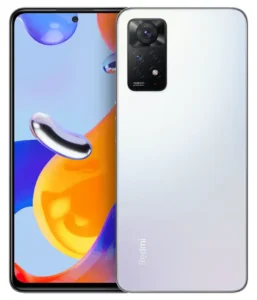
Why Buy the Xiaomi Redmi Note 11 Pro?
The Xiaomi Redmi Note 11 Pro brings together features that matter most to everyday smartphone users. Its 120Hz Super AMOLED display delivers smooth scrolling and vibrant colors that make everything from social media browsing to video streaming more enjoyable. The screen reaches 700 nits of typical brightness and peaks at an impressive 1200 nits, ensuring excellent visibility even under direct sunlight.
Photography enthusiasts will appreciate the 108MP primary camera that captures detailed shots in various lighting conditions. The sensor’s 1/1.52″ size allows more light to reach the pixels, resulting in clearer photos when lighting isn’t ideal. While the phone includes an 8MP ultrawide lens for landscape shots and a macro camera for close-ups, the main sensor does most of the heavy lifting.
Battery life stands out as a practical strength. The 5000mAh capacity powers through a full day of typical use, and when the battery does run low, 67W fast charging gets you to 51% in just 15 minutes. This means a quick charging session during lunch can provide enough power for the rest of your day.
The phone runs on MediaTek’s Helio G96 chipset with an octa-core processor configuration. For everyday tasks like messaging, web browsing, and social media, performance feels responsive. The 120Hz display refresh rate complements this by making interactions feel fluid. Stereo speakers enhance media consumption, while the 3.5mm headphone jack accommodates wired audio enthusiasts who prefer their existing headphones.
Build quality receives attention with Gorilla Glass 5 protecting both the front and back. The IP53 rating offers basic protection against light rain and dust, though it’s not designed for submersion. At 202 grams and 8.1mm thick, the device feels substantial without being uncomfortable to hold.
Key Considerations Before Buying the Xiaomi Redmi Note 11 Pro
Understanding what this phone does well and where it has limitations helps set realistic expectations. The Helio G96 chipset handles regular smartphone activities smoothly but isn’t designed for intensive gaming sessions with graphically demanding titles. Games like PUBG Mobile and Genshin Impact will run, but expect to adjust settings for optimal performance rather than pushing everything to maximum.
Video recording capabilities are basic, limited to 1080p at 30fps from both the rear and front cameras. Those who frequently create content for social media platforms might find this restrictive compared to phones offering 4K recording. The 16MP selfie camera performs adequately for video calls and social media posts but doesn’t match the resolution of the rear camera system.
Storage options vary, with configurations including 64GB and 128GB internal storage paired with different RAM amounts (4GB, 6GB, or 8GB). The microSDXC card slot provides expandable storage but shares space with the second SIM slot, forcing you to choose between dual-SIM functionality and extra storage. The UFS 2.2 storage type offers decent read and write speeds for app loading and file transfers.
The phone ships with Android 11 and MIUI 13. While functional, this means it launched with software that wasn’t the latest at the time and may have a shorter window for future updates compared to phones shipping with newer Android versions. MIUI includes extensive customization options but also comes with pre-installed apps that some users find unnecessary.
Connectivity covers the essentials with 4G LTE, Wi-Fi dual-band support, and Bluetooth 5.1. The lack of 5G means the phone won’t access next-generation network speeds where available. For areas where 5G rollout is still limited, this matters less, but it’s worth considering for future-proofing. NFC availability depends on your market or region, so check local specifications if mobile payments are important to you.
Who Should Consider the Xiaomi Redmi Note 11 Pro?
This phone fits users who prioritize screen quality and battery life for media consumption. The combination of Super AMOLED technology, 120Hz refresh rate, and high peak brightness creates an excellent viewing experience for streaming videos, browsing photos, and reading content. The 6.67-inch screen provides ample space without making the phone unwieldy.
Budget-conscious shoppers seeking capable photography features will find value here. The 108MP sensor captures impressive detail in well-lit environments, making it suitable for casual photography and social media sharing. The ultrawide lens adds versatility for group shots and landscapes. While professional photographers will want more advanced features, hobby photographers get solid results.
Students and professionals using their phones primarily for communication, web browsing, and productivity apps will find the Redmi Note 11 Pro meets their needs. The combination of adequate processing power, generous battery capacity, and fast charging means the phone keeps up with a busy schedule. Multiple RAM and storage configurations let buyers choose what fits their budget and usage patterns.
The device appeals to users who consume lots of media content. Stereo speakers deliver better audio than single-speaker phones, enhancing the experience when watching videos or playing music. The headphone jack gives audiophiles the option to use their preferred wired headphones without adapters. The large battery means extended listening or viewing sessions don’t constantly drain power.
Those upgrading from older budget devices will notice meaningful improvements in display quality, charging speed, and camera capabilities. The jump from a standard LCD to Super AMOLED with high refresh rate creates a noticeably smoother and more vibrant experience. Similarly, going from basic cameras to a 108MP sensor represents a significant upgrade in photo quality.
Alternatives to the Xiaomi Redmi Note 11 Pro
Buyers weighing options in a similar price range might consider the Samsung Galaxy A53 5G, which adds future-proof 5G connectivity and promises longer software support through Samsung’s update policy. The Galaxy A53’s Exynos 1280 chipset offers comparable performance, though Samsung’s cameras use different processing that some prefer. The trade-off involves accepting a smaller battery compared to the Redmi Note 11 Pro’s 5000mAh capacity.
The Realme 9 Pro+ presents another alternative with 5G support and similar display specifications. Realme’s offering includes comparable charging speeds and focuses on a different camera setup that emphasizes a 50MP Sony IMX766 sensor rather than the higher megapixel count. Performance between the two remains close, making the choice depend more on brand preference and regional availability.
Motorola’s Moto G82 5G enters consideration for buyers wanting clean Android software without heavy manufacturer customization. The Moto G82 includes 5G, an AMOLED display at 120Hz, and a simpler camera system. Motorola’s near-stock Android experience appeals to users who find MIUI too cluttered, though you sacrifice some of MIUI’s customization features.
Within Xiaomi’s own lineup, the standard Redmi Note 11 offers a more budget-friendly option by stepping down to a smaller battery and different camera configuration. Conversely, the Redmi Note 11 Pro+ upgrades to faster charging at 120W and includes minor camera improvements. The Pro sits as the middle ground, balancing features and price for many buyers.
Xiaomi Redmi Note 11 Pro Frequently Asked Questions
Does the Xiaomi Redmi Note 11 Pro support 5G networks?
No, the Xiaomi Redmi Note 11 Pro supports GSM, HSPA, and 4G LTE networks but does not include 5G connectivity. The phone uses the MediaTek Helio G96 chipset, which is designed for 4G networks. If 5G capability is essential for your needs or future-proofing your purchase, you’ll need to consider alternative models that specifically include 5G support. For current usage in areas where 4G coverage is strong, the phone provides reliable connectivity for streaming, browsing, and downloads.
How long does the battery last on a single charge?
The 5000mAh battery typically powers through a full day of regular use, including activities like social media browsing, video streaming, messaging, and moderate camera use. Heavy users who game frequently or watch videos for extended periods might need a midday top-up, though the 67W fast charging reaches 51% in just 15 minutes. Battery life varies based on screen brightness settings, network conditions, and which apps you use most frequently. The 120Hz display refresh rate does consume more power than 60Hz, but you can adjust this in settings if you want to maximize battery longevity.
Can the phone handle gaming and demanding applications?
The MediaTek Helio G96 chipset with Mali-G57 MC2 GPU handles casual to moderate gaming reasonably well. Popular titles like Call of Duty Mobile, PUBG Mobile, and similar games run smoothly at medium settings. For graphically intensive games like Genshin Impact, you’ll need to reduce graphics settings to maintain playable frame rates. The 120Hz display provides smooth visuals for compatible games. Everyday applications for productivity, social media, and media consumption work without issues. Heavy multitasking with many apps open simultaneously may show occasional slowdowns depending on the RAM configuration you choose.
Is the camera quality good for photography and video?
The 108MP main camera captures detailed photos with good color reproduction in well-lit conditions. The large 1/1.52″ sensor size helps with low-light photography, though results won’t match flagship phone performance. The 8MP ultrawide camera adds versatility for landscape and group shots. Video recording maxes out at 1080p resolution at 30fps, which limits content creation compared to phones offering 4K recording. The 16MP front camera handles selfies and video calls adequately. For casual photography and social media sharing, the camera system performs well. Professional photographers or serious content creators will want more advanced features.
Does the phone come with a protective case and screen protector?
The Xiaomi Redmi Note 11 Pro typically includes a basic protective case in the box, though contents vary by region and retailer. A screen protector may be pre-applied to the display, protecting it from minor scratches during daily use. The phone features Gorilla Glass 5 on the front and back for scratch resistance, but adding a quality screen protector provides extra insurance. The IP53 rating offers basic protection against light water splashes and dust but isn’t waterproof, so a case adds valuable protection against drops and impacts. Check with your specific retailer to confirm included accessories.