
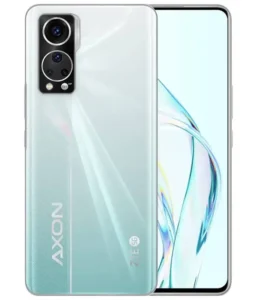
What Makes the ZTE Axon 30 5G Worth Buying?
The ZTE Axon 30 5G stands out through its pioneering under-display camera technology that eliminates the notch or punch-hole entirely. The 16MP selfie camera hides beneath the screen, creating an uninterrupted viewing experience across the massive 6.92-inch display. This engineering achievement delivers true edge-to-edge visuals that immerse users in content without distracting screen cutouts. While other manufacturers struggled with under-display camera quality in 2021, ZTE refined the technology to produce usable selfies and video calls.
Display quality impresses with a large 6.92-inch AMOLED panel supporting 120Hz refresh rate and 1 billion color depth. The expansive screen provides cinematic viewing experiences for movies, gaming, and media consumption. The smooth 120Hz refresh rate makes scrolling through social feeds and navigating interfaces feel responsive and fluid. Corning Gorilla Glass protection guards against scratches and minor drops, while the AMOLED technology delivers deep blacks, vibrant colors, and excellent contrast ratios.
Performance arrives through the Snapdragon 870 processor built on 7nm technology. This chipset represents the sweet spot between flagship power and efficiency, delivering strong performance without the heat issues that plagued the Snapdragon 888. The Adreno 650 GPU handles demanding mobile games smoothly, and configuration options reach 12GB RAM paired with 256GB UFS 3.1 storage for rapid app loading and smooth multitasking.
Charging speed excels with 65W wired charging that refills the 4200mAh battery quickly. The fast charging supports PD and QC4 standards, enabling rapid power-ups during brief breaks. A quick 15-20 minute charge provides hours of additional usage, eliminating the anxiety of forgetting overnight charging. The USB Type-C 3.0 port delivers fast data transfer speeds alongside the charging capabilities.
Camera versatility comes through a triple-lens system featuring a 64MP main sensor with phase detection autofocus. The 8MP ultrawide lens with 120-degree field of view captures expansive landscapes and architectural shots. Video recording reaches 4K at 60fps with gyro-EIS stabilization and 10-bit color depth, providing content creators with professional-grade footage capabilities. HDR support across photo and video modes ensures balanced exposure in challenging lighting.
Audio quality receives attention through Hi-Res audio support at 24-bit/192kHz, delivering superior sound quality through wired USB-C headphones or compatible wireless devices. The device includes NFC for contactless payments and quick pairing. Wi-Fi 6 support future-proofs wireless connectivity, while comprehensive positioning systems including GPS, GLONASS, GALILEO, and BDS ensure accurate navigation worldwide.
Build quality balances aesthetics with practicality. The slim 7.8mm profile and 189-gram weight feel comfortable during extended use without excessive bulk. Dual SIM capability maintains separate numbers for work and personal use, with the option to expand storage through microSDXC cards in the shared slot.
Things to Know Before Choosing the ZTE Axon 30 5G
Battery capacity at 4200mAh falls noticeably short compared to competing devices regularly offering 4500-5000mAh cells. The relatively small battery combined with the large 6.92-inch display and 120Hz refresh rate creates battery life concerns. Heavy users running intensive apps, gaming extensively, or streaming video throughout the day will likely need midday charging. The excellent 65W fast charging mitigates this limitation somewhat, but users accustomed to multi-day battery life from larger cells will notice the difference.
Under-display camera technology, while innovative, comes with image quality compromises. The 16MP selfie camera produces acceptable photos for video calls and casual selfies but trails traditional front-facing cameras in clarity, detail, and low-light performance. The screen above the camera sensor diffuses light and reduces sharpness compared to punch-hole or notch cameras. Users prioritizing selfie quality for social media or content creation should temper expectations or consider devices with conventional front camera implementations.
Software support from ZTE presents significant uncertainty. The device launches with Android 11 and MyOS 11, but ZTE’s history with long-term updates trails major manufacturers substantially. The timeline for receiving Android 12, 13, or future versions remains highly uncertain. Security patch frequency likely won’t match monthly schedules from Samsung, Google, or other top-tier brands. Users planning to keep devices for 3+ years should seriously question whether ZTE will provide adequate long-term support.
Build materials use plastic back and plastic frame rather than premium glass or metal construction. The materials feel noticeably less luxurious than flagship devices using metal frames and glass backs. The plastic construction lacks any IP rating for water or dust resistance—no certified protection exists against spills, rain, or dusty environments. Users must exercise caution around moisture and particulates compared to IP67/IP68 rated alternatives.
Storage expansion through microSDXC cards requires sacrificing the second SIM slot in the shared tray. Dual SIM users cannot simultaneously use two SIM cards and a memory card—they must choose between dual SIM functionality or expanded storage. This limitation creates inconvenience for international travelers or users maintaining separate work and personal numbers who also need additional storage capacity.
The absence of a 3.5mm headphone jack forces users toward wireless audio or USB-C adapters. While the device supports excellent Hi-Res audio through the USB-C port and includes quality Bluetooth 5.1, audiophiles preferring wired connections must carry adapters. This design choice eliminates convenient compatibility with existing wired headphones.
Camera system limitations appear in the modest 5MP macro camera and unspecified auxiliary lens. The macro camera typically delivers low-quality, gimmicky results rarely worth using. The absence of a dedicated telephoto lens with optical zoom means distant subjects require digital cropping that degrades quality. The camera setup suits casual photography but disappoints users expecting flagship-level versatility.
ZTE’s limited global presence creates practical challenges. The brand lacks widespread distribution, authorized service centers, and carrier partnerships in many Western markets. International buyers face uncertainty regarding warranty coverage, software updates, and 5G band compatibility with local carriers.
Is the ZTE Axon 30 5G Right for You?
Media Consumption Enthusiasts: Users who prioritize immersive viewing experiences discover the under-display camera’s true value. The uninterrupted 6.92-inch AMOLED screen with 120Hz refresh rate creates cinematic experiences for Netflix, YouTube, or mobile gaming. The lack of notch or punch-hole maximizes screen real estate for movies and shows. However, the modest 4200mAh battery may require midday charging during marathon binge-watching sessions.
Tech Enthusiasts and Early Adopters: Users who appreciate innovative technology and want to experience cutting-edge features find appeal in the under-display camera implementation. The novelty of truly bezel-less displays and the conversation-starter aspect of the hidden selfie camera suit tech enthusiasts who enjoy being early adopters. However, buyers should accept the image quality compromises and uncertain software support as trade-offs for innovation.
Mobile Gamers (Performance Focused): Players who prioritize smooth gameplay benefit from the Snapdragon 870 processor and Adreno 650 GPU combination. Popular titles run at high settings with solid frame rates, and the 120Hz display enhances visual smoothness for compatible games. The large screen provides immersive gaming experiences. However, the smaller battery limits extended gaming sessions, and the plastic build lacks the premium feel of dedicated gaming phones.
Budget Flagship Seekers: Users wanting near-flagship performance without flagship pricing discover competitive value. The Snapdragon 870 delivers strong processing power, the 120Hz AMOLED display provides premium visuals, and 65W charging adds convenience—all at mid-range pricing. However, buyers must accept plastic build quality, uncertain software support, and battery life compromises as trade-offs for the aggressive pricing.
Casual Photographers: Users capturing everyday moments and social media content get adequate camera performance. The 64MP main sensor with PDAF produces shareable photos in good lighting, and the ultrawide lens adds compositional flexibility. The 4K 60fps video with 10-bit color serves content creators reasonably well. However, photography enthusiasts prioritizing image quality, low-light performance, or selfie quality should explore camera-focused devices.
Students and Young Professionals: Budget-conscious buyers wanting large displays for productivity and entertainment find reasonable value. The device handles productivity apps, video streaming, and multitasking smoothly. The 12GB RAM configuration ensures smooth operation. However, the plastic build and modest battery may disappoint users wanting premium aesthetics or all-day endurance.
Selfie-Focused Users: Anyone prioritizing selfie quality should avoid this device entirely. The under-display camera technology sacrifices image quality for aesthetic cleanliness. Selfies appear softer and less detailed than conventional front cameras, and low-light selfie performance disappoints significantly. Social media influencers, content creators, or users who frequently take selfies need devices with traditional high-quality front-facing cameras.
Heavy Battery Users: Users needing all-day battery life with intensive usage patterns should look elsewhere. The 4200mAh capacity won’t satisfy people constantly streaming video, gaming extensively, or using GPS navigation for extended periods. The combination of large display, high refresh rate, and modest battery creates genuine endurance concerns. Users accustomed to 5000mAh+ batteries will find the capacity limiting despite the fast charging.
Users Requiring Water Resistance: Anyone needing IP-rated protection should avoid this device. The lack of water resistance certification means no guaranteed protection against rain, spills, or dusty environments. Users in wet climates, those who frequently expose phones to moisture, or accident-prone individuals need IP67/IP68 certified devices for peace of mind.
Dual SIM Users Needing Storage: Anyone requiring simultaneous dual SIM functionality and expanded storage faces frustration. The shared slot forces choosing between two SIM cards or one SIM plus microSD card. International travelers or users maintaining separate work and personal numbers who also need additional storage should prioritize devices with dedicated microSD slots or higher base storage options.
Long-Term Software Support Seekers: Buyers expecting timely Android updates and monthly security patches beyond 2 years should avoid ZTE. The uncertain update timeline creates risk for users planning to keep devices for 3+ years. Samsung, Google, or other manufacturers with guaranteed long-term support commitments provide better options for users prioritizing software longevity.
Best Alternatives to the ZTE Axon 30 5G
The OnePlus 9 features the same Snapdragon 870 processor delivering equivalent performance while offering superior software support through OxygenOS. OnePlus provides more consistent Android updates and security patches. The device includes a larger 4500mAh battery with faster 65W charging matching the Axon 30’s speed. Camera quality benefits from Hasselblad partnership and better computational photography. Build quality uses premium materials including metal frames. It costs more but delivers better long-term reliability and support.
Poco F3 competes directly with the Snapdragon 870 processor and 120Hz AMOLED display at aggressive pricing. It features a larger 4520mAh battery with 33W charging that’s slower than the Axon 30 but still fast. The device includes conventional punch-hole front camera delivering superior selfie quality compared to the under-display implementation. Poco’s software support and global availability exceed ZTE’s uncertain timeline. The device costs similarly but prioritizes practical features over innovative camera placement.
Samsung Galaxy A52s 5G represents the mainstream alternative with guaranteed multi-year Android updates and monthly security patches. The Snapdragon 778G processor delivers capable but slightly lower performance than the Snapdragon 870. Samsung’s camera processing produces more pleasing photos despite comparable hardware. The device includes IP67 water resistance and superior build quality. It costs similarly but delivers better long-term value through extended support and water protection.
Realme GT Master Edition delivers the Snapdragon 778G processor with excellent thermal management and a 120Hz Super AMOLED display. It features a larger 4300mAh battery with 65W charging matching the Axon 30. The camera system includes 64MP main sensor with better software processing. Realme provides more consistent updates than ZTE and better global availability. The device costs competitively while offering more reliable support infrastructure.
Xiaomi Mi 11 Lite 5G provides the Snapdragon 780G processor in an ultra-light 159-gram package. While slightly less powerful than the Snapdragon 870, it delivers excellent efficiency. The device features a 90Hz AMOLED display and 4250mAh battery with 33W charging. Build quality feels more premium with better materials. Xiaomi offers superior software support and global presence compared to ZTE. It costs similarly but prioritizes refinement over raw specifications.
Nothing Phone (1) delivers distinctive design with Glyph interface and transparent back while using the Snapdragon 778G+ processor. Nothing commits to three years of OS updates and four years of security patches—dramatically better than ZTE’s uncertain timeline. The device includes IP53 water resistance and 120Hz OLED display. Build quality emphasizes premium materials and unique aesthetics. It costs more but provides guaranteed support and brand differentiation.
ZTE Axon 30 5G Frequently Asked Questions
How does the under-display camera affect selfie quality and video calls?
The under-display camera technology represents an engineering trade-off between aesthetic cleanliness and image quality. The 16MP sensor positioned beneath the AMOLED screen produces noticeably softer, less detailed selfies compared to conventional front-facing cameras. The screen layer above the sensor diffuses incoming light, reducing sharpness and clarity particularly noticeable in challenging lighting conditions. Low-light selfies suffer most dramatically—images appear grainy with muted colors and reduced detail. Video calls through apps like Zoom, Teams, or FaceTime work adequately for professional or social purposes, though image quality trails traditional cameras. The technology prioritizes the uninterrupted full-screen viewing experience over selfie excellence. Users who rarely take selfies or primarily use front cameras for video authentication won’t miss the quality difference significantly. However, social media enthusiasts, content creators, or anyone frequently taking selfies should understand this represents a genuine compromise. The under-display implementation suits users prioritizing immersive displays for media consumption over front camera photography quality.
Does the 4200mAh battery last a full day with the large 120Hz display?
Battery endurance varies significantly based on usage patterns and settings. Light users primarily messaging, browsing social media, and making occasional calls typically achieve 5-7 hours of screen-on time lasting one full day. Moderate users mixing video streaming, web browsing, navigation, and light gaming generally see 4-5 hours screen-on time requiring charging by evening. Heavy users constantly streaming video, gaming extensively at 120Hz, or using intensive apps experience 3-4 hours screen-on time necessitating midday charging. The 120Hz display consumes noticeably more power than 60Hz—users can extend battery life by reducing refresh rate when maximum smoothness isn’t needed. The large 6.92-inch screen area inherently requires more power to illuminate. The Snapdragon 870’s efficiency helps manage consumption during everyday tasks. The 65W fast charging significantly mitigates battery concerns—15-20 minutes of charging during lunch or breaks provides several hours of additional use. Users can strategically quick-charge rather than reaching for overnight charges exclusively. The battery capacity suits users who can access charging periodically throughout the day but disappoints anyone needing worry-free all-day heavy usage without charging opportunities.
Can the Snapdragon 870 handle intensive gaming and demanding apps?
The Snapdragon 870 processor delivers flagship-adjacent performance that handles demanding games and intensive applications capably. Popular mobile titles including PUBG Mobile, Call of Duty Mobile, Genshin Impact, and Asphalt 9 run at high-to-maximum settings with solid frame rates. The Adreno 650 GPU provides strong graphics performance, and the 120Hz display enhances visual smoothness for compatible games. The Snapdragon 870 addresses thermal management better than the Snapdragon 888—extended gaming sessions generate less heat and experience less thermal throttling. However, the absolute latest flagship processors like Snapdragon 8 Gen 1 or 8 Gen 2 deliver noticeably higher sustained performance. Competitive esports players demanding every possible advantage or users running cutting-edge games at maximum settings might notice performance gaps compared to true flagship chips. For typical gaming enthusiasts playing regularly but not professionally, the Snapdragon 870 provides excellent capabilities that won’t feel limiting. Heavy multitasking running numerous apps simultaneously, professional productivity workflows, or intensive photo/video editing apps all perform smoothly with 8GB or 12GB RAM configurations. The processor represents excellent value—delivering near-flagship performance at mid-range pricing while maintaining better thermal characteristics than some flagship alternatives.
Is the plastic build quality durable, or does it feel cheap?
The plastic back and plastic frame construction provides functional durability while reducing manufacturing costs and device weight. Plastic resists shattering better than glass when dropped—potentially preventing catastrophic damage from falls that would shatter all-glass devices. The material maintains structural integrity through typical drops and daily handling. However, plastic scratches more easily than glass or metal, showing wear from keys, coins, or rough handling more quickly. The tactile experience feels noticeably less premium compared to metal frames and glass backs—the material clearly communicates cost-cutting to discerning users. Plastic doesn’t dissipate heat as effectively as metal frames, which may result in slightly warmer surface temperatures during intensive tasks. The lack of IP rating means the plastic construction offers no certified protection against water or dust ingress. The slim 7.8mm profile and 189-gram weight feel comfortable and prevent the device from seeming bulky despite plastic materials. Users should apply protective cases to maintain appearance and add drop protection. The plastic build suits budget-conscious buyers accepting aesthetic compromises for lower pricing and reduced weight, but disappoints users prioritizing premium tactile experiences or brand prestige.
Will ZTE provide Android updates and security patches beyond Android 11?
ZTE’s history with software updates creates significant uncertainty for potential buyers. The company lacks the established update track record of Samsung, Google, or OnePlus. While the device ships with Android 11 and MyOS 11, ZTE hasn’t publicly committed to specific update timelines comparable to Samsung’s multi-year guarantees. Based on historical patterns, users should realistically expect one major Android version update—possibly Android 12—but timely delivery remains uncertain. Android 13 or beyond appears unlikely unless ZTE dramatically improves support practices. Security patch frequency varies unpredictably—monthly patches may arrive during the first year, then become sporadic quarterly or less frequent updates. The limited global presence means update prioritization likely favors domestic Chinese markets over international users. Anyone prioritizing long-term software support, regular security patches, or guaranteed access to future Android features should choose manufacturers with proven update commitments and public roadmaps. The uncertainty creates genuine risk for users planning to keep devices for 3+ years who depend on current security patches or want access to new Android features as they release.